
I gave a woman an assignment that made her face go white.
Walk into a coffee shop. Order a drink. Ask for 50% off.
No pitch deck, no strategy doc. Just walk up to the counter and ask for a discount you’re almost certainly not going to get.
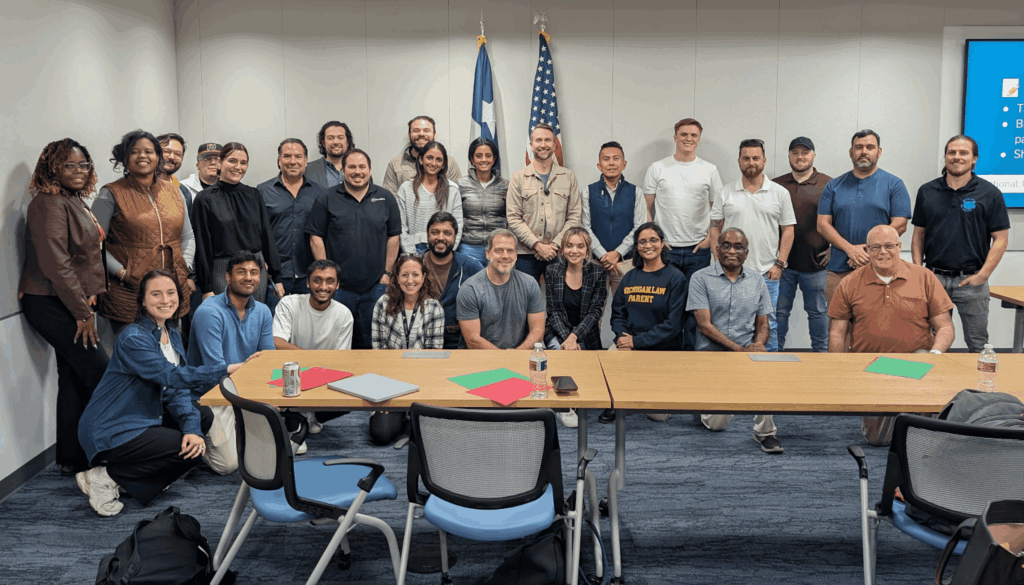
A week later, she had formulated a specialized dog food for dogs with cancer, listed it on Facebook Marketplace, and made her first sale. The confidence came from the coffee exercise. Her company is called Cloey’s Choice, and she built it in the space between Tuesday night sessions. The same space where 24 other founders were doing their own version of the same thing.
That’s Jumpstart. A program we built for chambers of commerce who want to create momentum for the businesses and entrepreneurs in their community.
The problem Jumpstart was built to solve
Most chambers run speaker series and networking events that nobody remembers the next day. A panel on “entrepreneurship trends.” A pitch competition once a year. Maybe a breakfast with a keynote from someone who exited a decade ago. The energy fades before people hit the parking lot.
And nothing changes in the ecosystem. You can sit in a panel, listen to a seasoned founder talk about TAM and unit economics, and leave feeling inspired…and absolutely no closer to building something. Inspiration without structure is a dead end.
The communities that are figuring this out, the ones attracting founders and investment, aren’t running more panels. They’re running programs that put people in motion. That’s what Jumpstart is.
What the program looks like
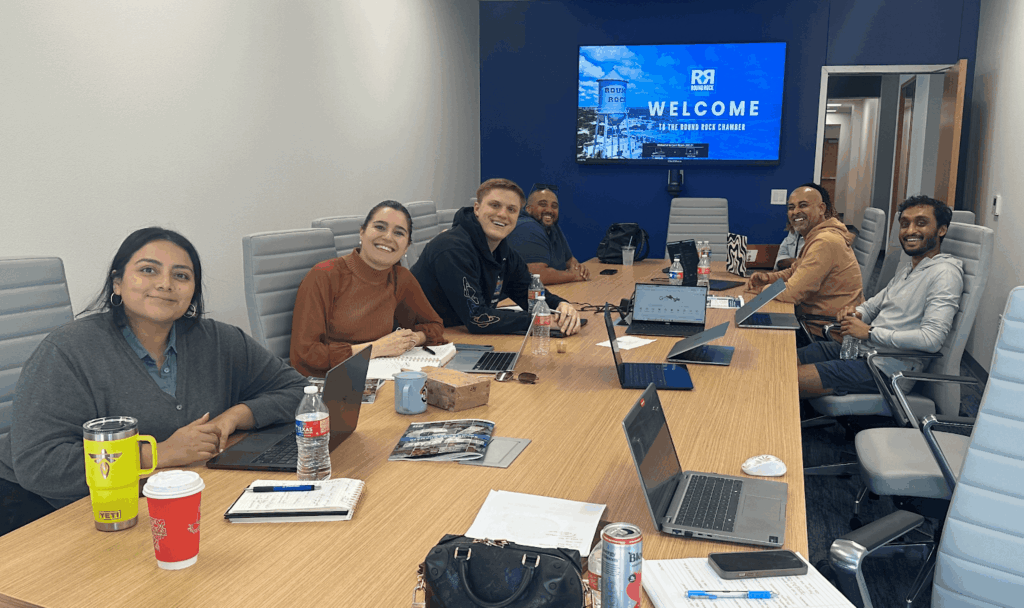
We just wrapped the inaugural Jumpstart cohort in Round Rock, Texas. Round Rock sits about an hour north of Austin. Close enough to feel the energy of one of the country’s most active startup ecosystems, but still building its own. As capital and talent spill outward from major metros, the Chambersof Commerce in surrounding cities find themselves well-resourced and ready to invest. Round Rock is one of those cities.
Jumpstart is a four-week, challenge-based entrepreneurship program. We meet Tuesday evenings from six to eight. Thursdays are office hours where participants co-work, trade notes, and get unstuck. Between sessions, an online community keeps everything moving: feedback, introductions, accountability, celebrating wins.
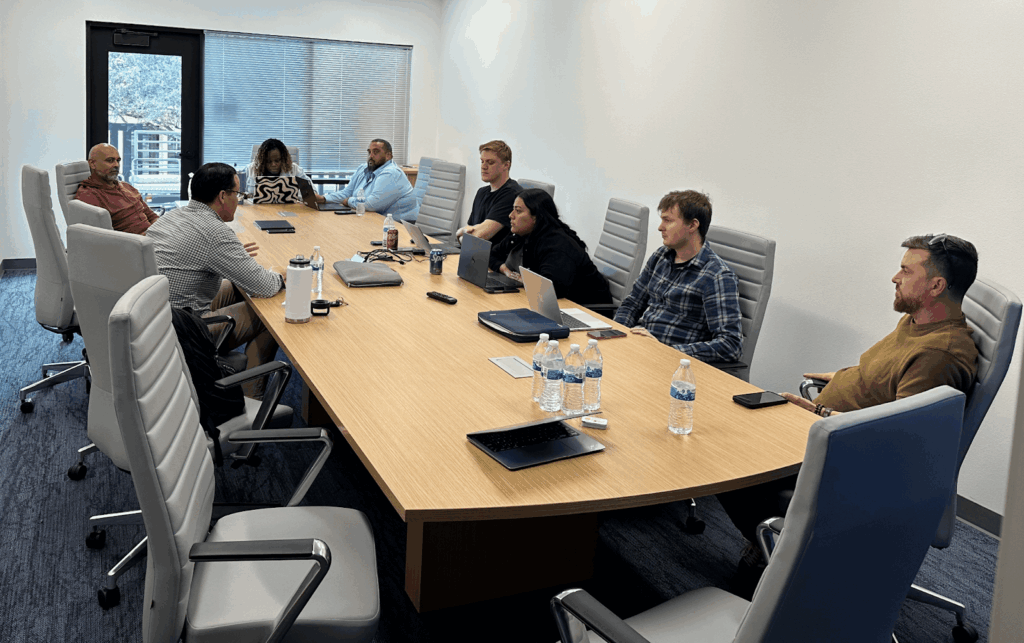
The program moves through four stages: Ideas, Building, Growth, and Scaling. Each week isn’t theory. It’s experience through real-world challenges that push people past their comfort zones — like walking into a coffee shop and asking for 50% off.
Who was in the room
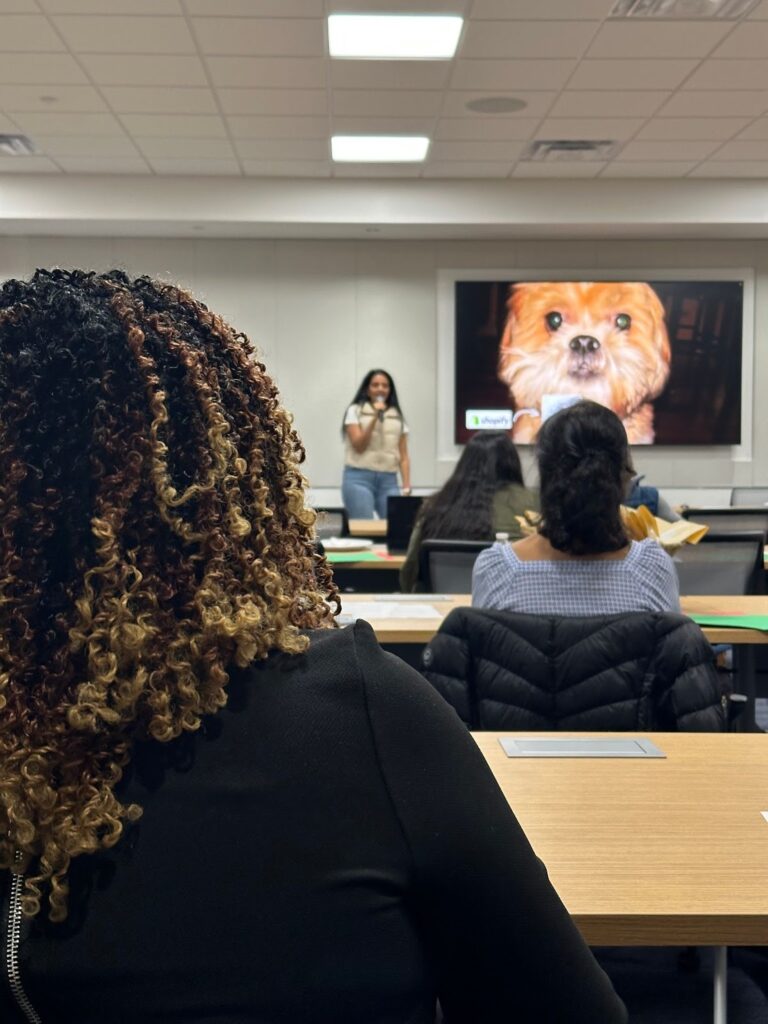
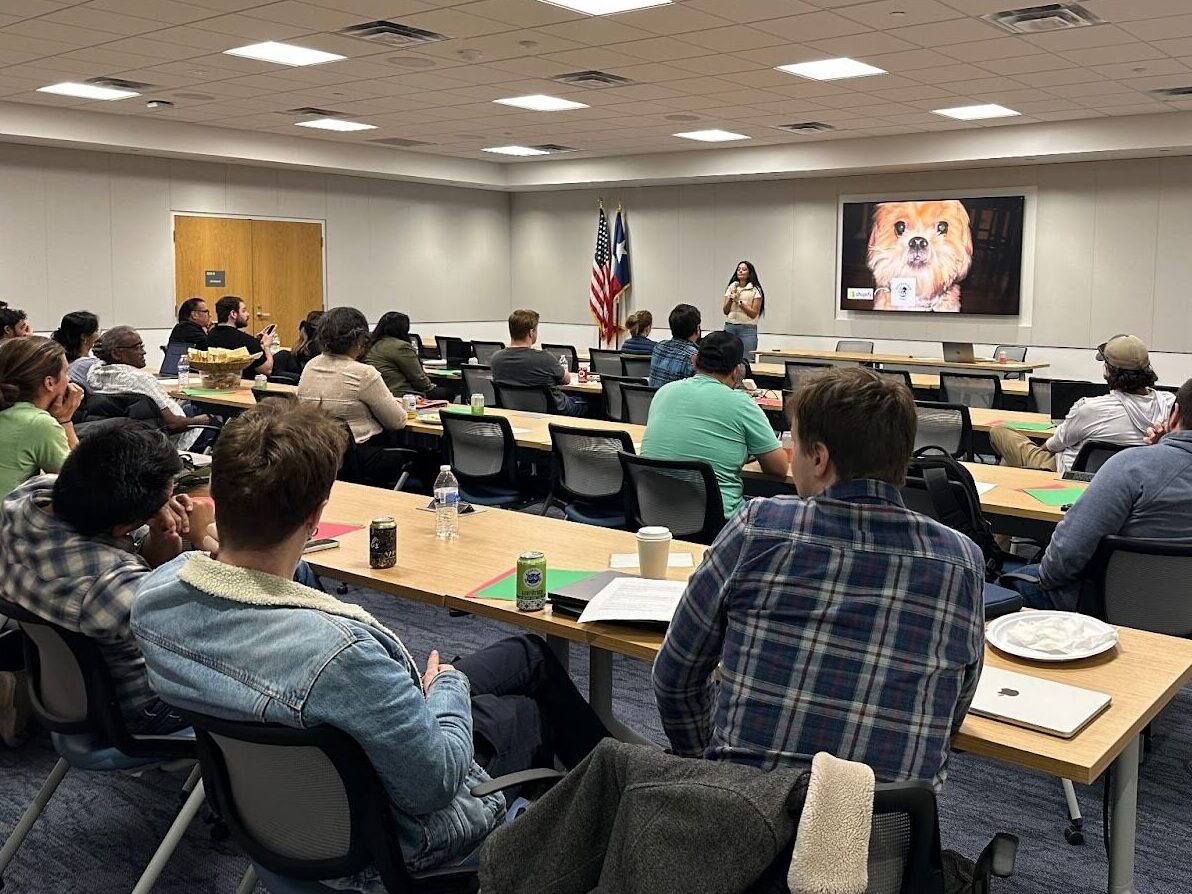
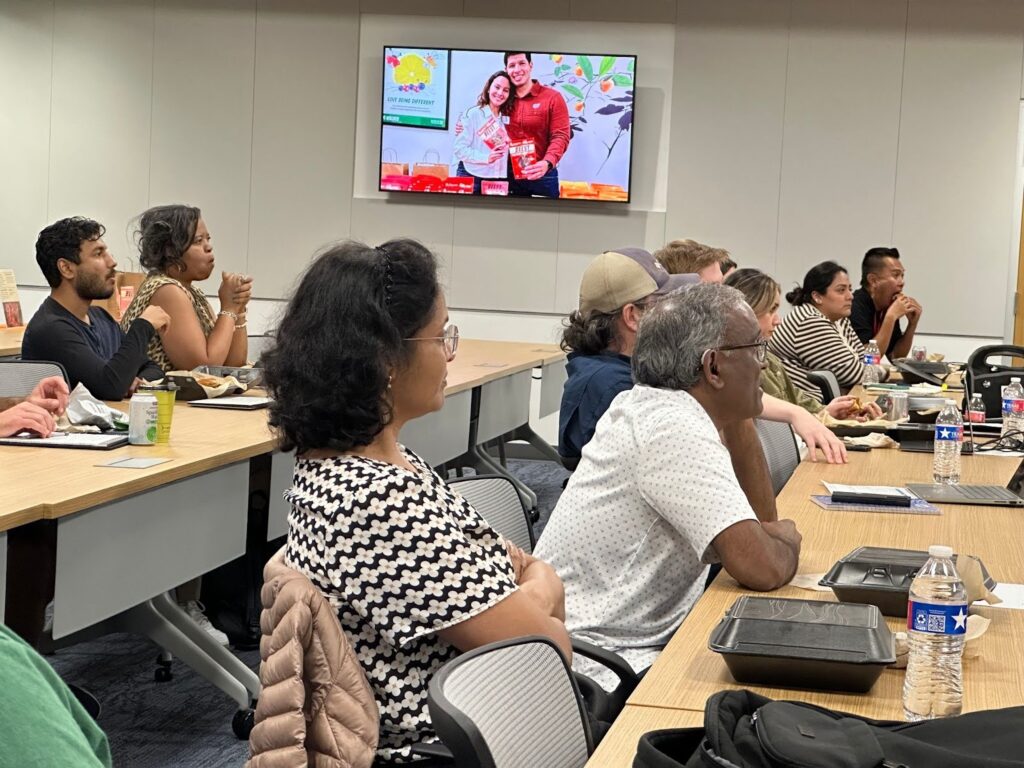
This cohort had 25 participants, and the range was striking. A software engineer from Google. A truck driver. First-time founders alongside people who’d been thinking about their idea for years. We had more food and CPG founders than expected, so we brought in the team behind Beest, a food company that recently landed a distribution deal with Sprouts, to share what they’d learned.
The skills that matter in entrepreneurship — resilience, resourcefulness, speed, the ability to learn from failure — aren’t sector-specific.
What happened in four weeks
The program finished with a Net Promoter Score of 80 and an average rating of 9.4 out of 10. But the numbers that matter more are the ones the participants generated: first sales, first customers, first deals.
Cloey’s Choice — the dog food company — finished its formula and has paying customers. One participant landed a partnership with Walmart. Another has a $15 million deal in play with a countywide school system.
We don’t focus on business plans in this program. What we’re chasing is traction. As one participant, Lucia, put it: “I sold my first product because of this class. Going to office hours definitely helped push me to just sell and worry about the landing page later. Otherwise, I probably would have gotten stuck and never gotten started.”
Another founder, Steven Franco, said the program snapped him out of a pattern he hadn’t recognized: “It got me excited to prospect again and turned into some big wins. When talking to some of the others I realized I could be doing better myself. Being complacent is an easy trap.”
How it ended
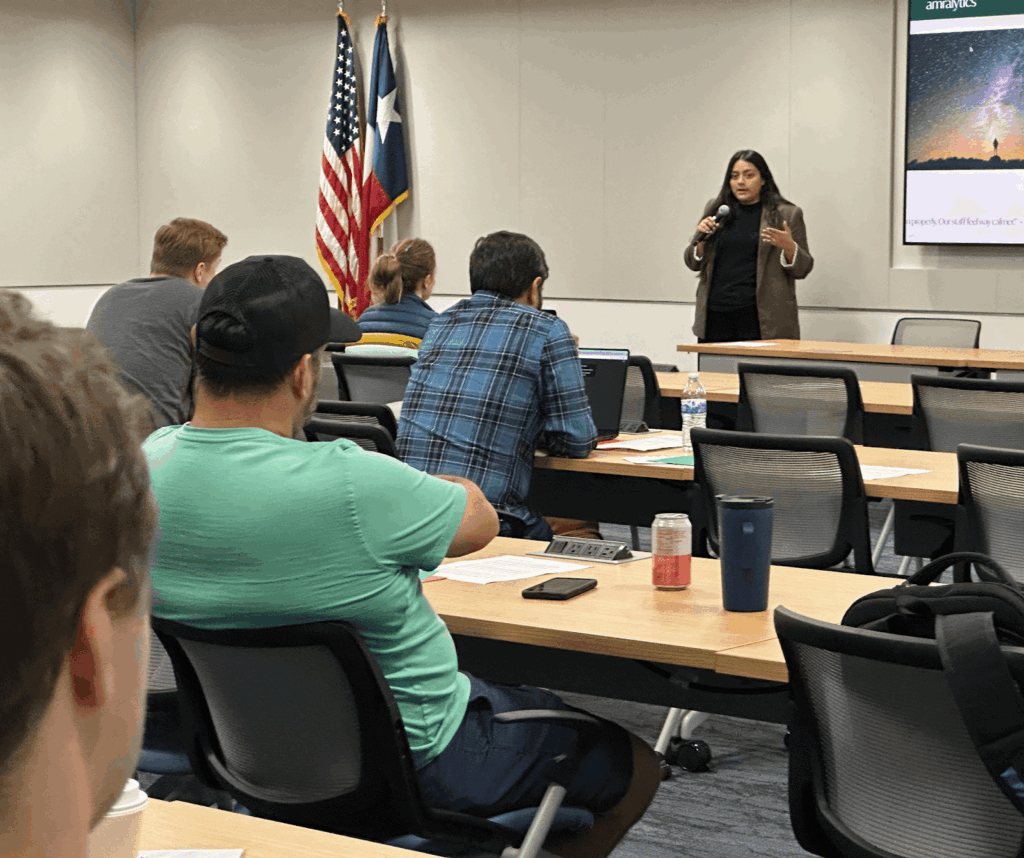
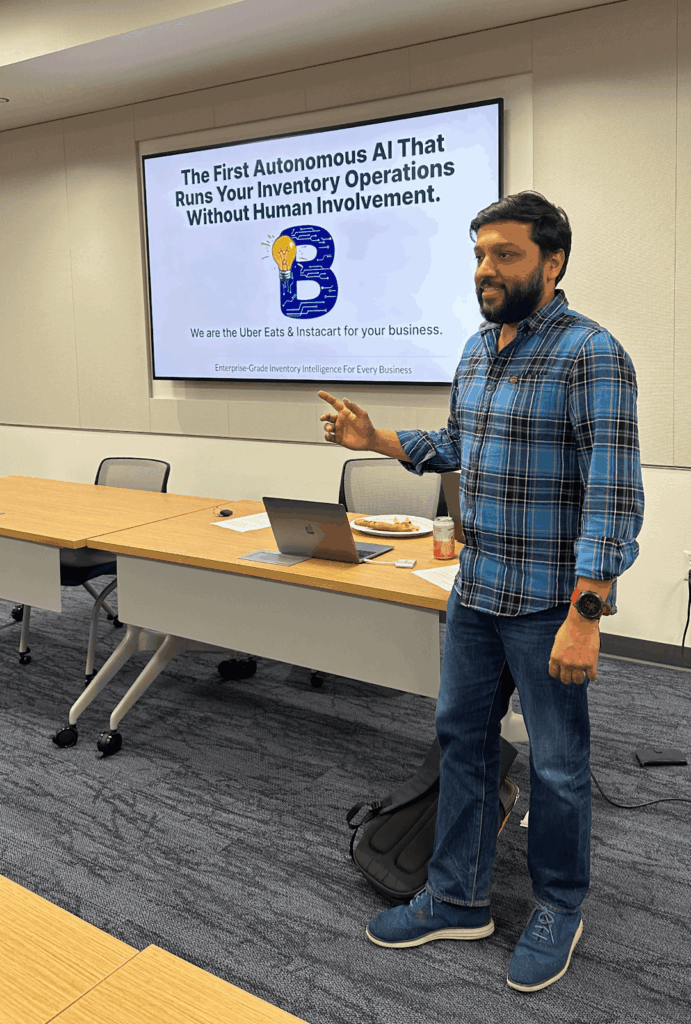
The final session was something we call The Ask. Every participant got two minutes in front of the room to make a real ask. Different participants used it in different ways.
Some had never pitched with a slide deck in front of a group before. Others needed a pressure test; one was applying to an accelerator and needed to field hard questions. One founder workshopped a sales document in front of 25 people who helped him sharpen it. Another had just completed a major pivot and was running the new pitch for the first time. The food and CPG founders brought samples for live feedback.
Every single one of those is a different use of the same two minutes, and every single one moved someone forward. That’s the point.
Five participants were selected to present at Round Rock’s upcoming Startup Day, where they’ll set up booths and talk about their work with the broader community. That’s a direct pipeline from program to ecosystem.
The signal that something real has formed
By the final week, the cohort was self-organizing. The online community we built alongside the in-person sessions was thriving on its own — founders sharing links, rallying the group to engage, posting wins and getting immediate feedback, reaching out to each other unprompted to co-work and solve problems together.
Not because someone told them to. Because the program built the conditions for it.
One participant, Sagar, put it best in his feedback: “Increased confidence cold calling, faith in this community, and reassurance in the decisions I’m making.”
“Increased confidence cold calling, faith in this community, and reassurance in the decisions I’m making.”
Sagar K, Cherble App
That’s the outcome that matters more than any NPS score. When the people in your city start believing that this is a place where things can happen. That’s when the flywheel turns.
Bringing Jumpstart to your community
Actionworks designs and delivers entrepreneurship programs for communities serious about economic development — not conferences and panels, but programs that produce ventures and shift the culture of a city.
One thing that sets Jumpstart apart is its capacity-building arc. Actionworks leads implementation for the first year and a half, then shifts into training and shadowing local staff. By the end of a four-year partnership, the community runs it independently. We’re not creating dependency. We’re leaving something behind.
Round Rock Jumpstart was the first of eight cohorts we’ll run there. Next up: we’re prepping for cohort two and training standout founders from this first cohort as mentors. That’s the flywheel. Each program strengthens the next one, and the community builds its own bench of people who’ve been through it and can guide others. That’s how an entrepreneurship ecosystem becomes self-sustaining.
If you’re building an entrepreneurship ecosystem and want to see what Jumpstart could look like in your community, I’d like to talk.
Get in touch: hello@actionworks.co
If you’re into the intersection of AI, entrepreneurship, and actually doing the work—join my newsletter. I share stories, tools, and experiments from the front lines: camhouser.com/newsletter
Thanks to readers of early drafts: Rik Van Den Berge, Matthew Beebe